The conversation around women’s longevity has centered on estrogen for decades. But a closer look at the research points to progesterone and ovulation as quiet drivers of long-term health.

Why progesterone and ovulation may matter more for healthy aging than the estrogen story most women have been told.
If I ask a room full of women which hormone matters most for their health as they age, I almost always hear the same answer: estrogen. That is understandable. For decades, estrogen has been positioned as the hormone that preserves youth, protects the heart, and defines menopause as a deficiency state. It is the hormone women hear about in magazines, in clinic visits, and in nearly every menopause conversation online.
But when I look carefully at the research, I see a more complete picture emerging – one where another hormone has been quietly doing foundational work in the background. That hormone is progesterone. And the story of women’s longevity may actually begin far earlier than menopause, during the reproductive years when ovulation is still happening and progesterone is still being produced in meaningful amounts.
Healthy Aging Starts in the Menstruating Years
The dominant narrative treats menopause as the moment risk begins. That framing shapes how we counsel women, when we intervene, and what we measure. But the evidence suggests many of the biological processes that influence aging are set in motion long before the final menstrual period. Patterns associated with cardiovascular disease, osteoporosis, and other chronic conditions often originate during the menstruating years rather than appearing abruptly in midlife.
What seems to matter most during this earlier window is whether a woman is actually ovulating and producing progesterone consistently. Progesterone rises during the luteal phase – the roughly two weeks that follow ovulation. Outside of pregnancy, this is the only time in a woman’s life when progesterone levels climb above the baseline seen in men, children, and postmenopausal women. That rhythmic, cyclical exposure to progesterone is a biological signal, and it may be one of the ways the body maintains long-term physiologic balance.
Ovulation Is Less Reliable Than It Looks
One of the more surprising findings in this literature is how often ovulation fails to occur even when a woman’s cycle looks completely normal on the outside. A cycle can fall within the typical 21 to 35 day range and still involve disrupted ovulation or a shortened luteal phase. These patterns are called subclinical ovulatory disturbances, and population data suggest that roughly one quarter to one third of regularly cycling women may not reach progesterone levels consistent with ovulation in a given cycle.
These disturbances are not always pathological. In many cases, they appear to be adaptive responses the body uses to protect itself when resources are limited or demands are high. Common contributors include:
- Physical illness
- Nutritional deficits
- Excessive exercise
- Emotional and psychosocial stress
From a biological standpoint, suppressing ovulation under stress can be protective in the short term because it preserves energy and reproductive capacity. The concern is what happens over years and decades, when reduced progesterone exposure quietly accumulates and may have broader downstream consequences on tissues that depend on that cyclical signaling.
The Estrogen Story Is Incomplete
For much of modern medical history, estrogen has been treated as the single most important hormone for protecting women’s long-term health. That idea was reinforced by observational studies showing that women on menopausal hormone therapy appeared to have lower rates of heart disease and mortality. It made intuitive sense, and it shaped a generation of clinical thinking.
Then came the large randomized controlled trials. The Women’s Health Initiative trials, which enrolled tens of thousands of participants, found that estrogen therapy – with or without progestin – did not reduce heart disease or overall mortality when used in prevention settings. That did not erase the value of hormone therapy for symptoms, but it did complicate the simple narrative that estrogen alone drives healthy aging.
What I take from this is that estrogen and progesterone are not meant to be considered in isolation. They work as a pair within the menstrual cycle. Estrogen generally drives tissue growth and proliferation, while progesterone tends to counterbalance that effect by encouraging cells to differentiate and mature. Looking at estrogen without progesterone leaves out half of the system.
How Progesterone May Shape Long-Term Health
Emerging evidence suggests that progesterone exposure during the reproductive years may influence several domains of long-term health. Research links shorter luteal phases and lower progesterone exposure to:
- Greater loss of bone mineral density
- Potential cardiovascular risks
- Reproductive challenges, including reduced fertility
Progesterone may also have effects on the brain. Preliminary evidence suggests it may reduce the central amplification of pain signals, which could counteract some of the pain sensitization associated with estradiol. These areas are still under-studied, but they point to a hormone whose influence extends well beyond reproduction into bone, vascular, and neurologic health.
Why Symptoms in Midlife Still Matter
Progesterone also has a meaningful therapeutic role during perimenopause and menopause. Randomized trials show that oral micronized progesterone can effectively treat vasomotor symptoms such as night sweats and hot flashes. These are not just comfort issues. Vasomotor symptoms are closely tied to disrupted sleep, and poor sleep can indirectly contribute to cardiovascular and bone health risks over time.
Progesterone has also been shown to improve deep sleep quality. Given how central sleep is to nearly every aspect of aging physiology – metabolic, cognitive, immune – that effect is worth taking seriously. Treating symptoms is not vanity. It is part of protecting the systems that determine how a woman ages.
What This Research Does Not Say
I want to be careful here, because nuance matters. This research does not suggest that progesterone is a simple answer to aging. It does not mean estrogen is unimportant. And it does not mean every woman needs hormone therapy.
The honest message is more layered. Healthy aging in women likely depends on the interaction between hormones, ovulation, stress physiology, and the broader social determinants of health. Access to nutrition, movement, supportive relationships, and healthcare all shape reproductive patterns and long-term outcomes. Hormones are one piece of a much larger biological and social system, and no single intervention replaces that.
A Different Lens on Women’s Longevity
Longevity medicine tends to focus on interventions later in life, often after symptoms or disease have already appeared. The research I am drawing from here invites a different timeline. Ovulation, progesterone exposure, and reproductive physiology across the menstrual years may quietly shape the trajectory of bone health, cardiovascular function, and neurologic resilience long before perimenopause arrives.
I am not suggesting aging can be controlled. But it can be influenced, and that influence begins far earlier than most of us have been taught. Healthy aging in women is not driven by estrogen alone. It depends on the rhythm of the entire menstrual cycle – and on honoring progesterone as the partner it has always been.
Reference: Prior, J. C., & Vitzthum, V. J. (2026). Progesterone for reproductive vitality and women’s healthy ageing. Exploration of Endocrine and Metabolic Diseases, 3, 101460.
Go deeper
If you want to understand how progesterone shifts across your reproductive years and into perimenopause, “The Perimenopause Protocol” walks you through the hormone dynamics that shape this critical transition – and why what happens now matters for your longevity later.
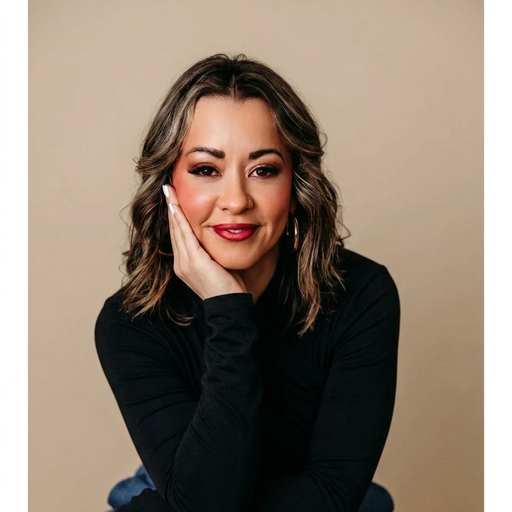
Lexi Yoo
Lexi Yoo, NP is a functional medicine nurse practitioner and national speaker specializing in hormones, gut health, and longevity. She helps women understand what their bodies are telling them - and turn it into a plan that actually works.